
01Connect the report to the material
Start with the product name and grade, then identify the batch or lot, report number, date and issuing organization. Compare those identifiers with the supplier’s order and shipment records. If one shipment contains several batches, ask which report applies to each part of the consignment.
A public sample COA can show the report format and the types of tests available. It cannot demonstrate that a future shipment has the same results. If a document has no date or batch reference, ask the issuer to explain its purpose and provide traceable documents for the order.
Also establish what was sampled. A report on a retained factory sample, an independently drawn shipment sample and a composite sample may describe different sampling arrangements. Record the arrangement agreed for your purchase rather than inferring it from a company stamp.
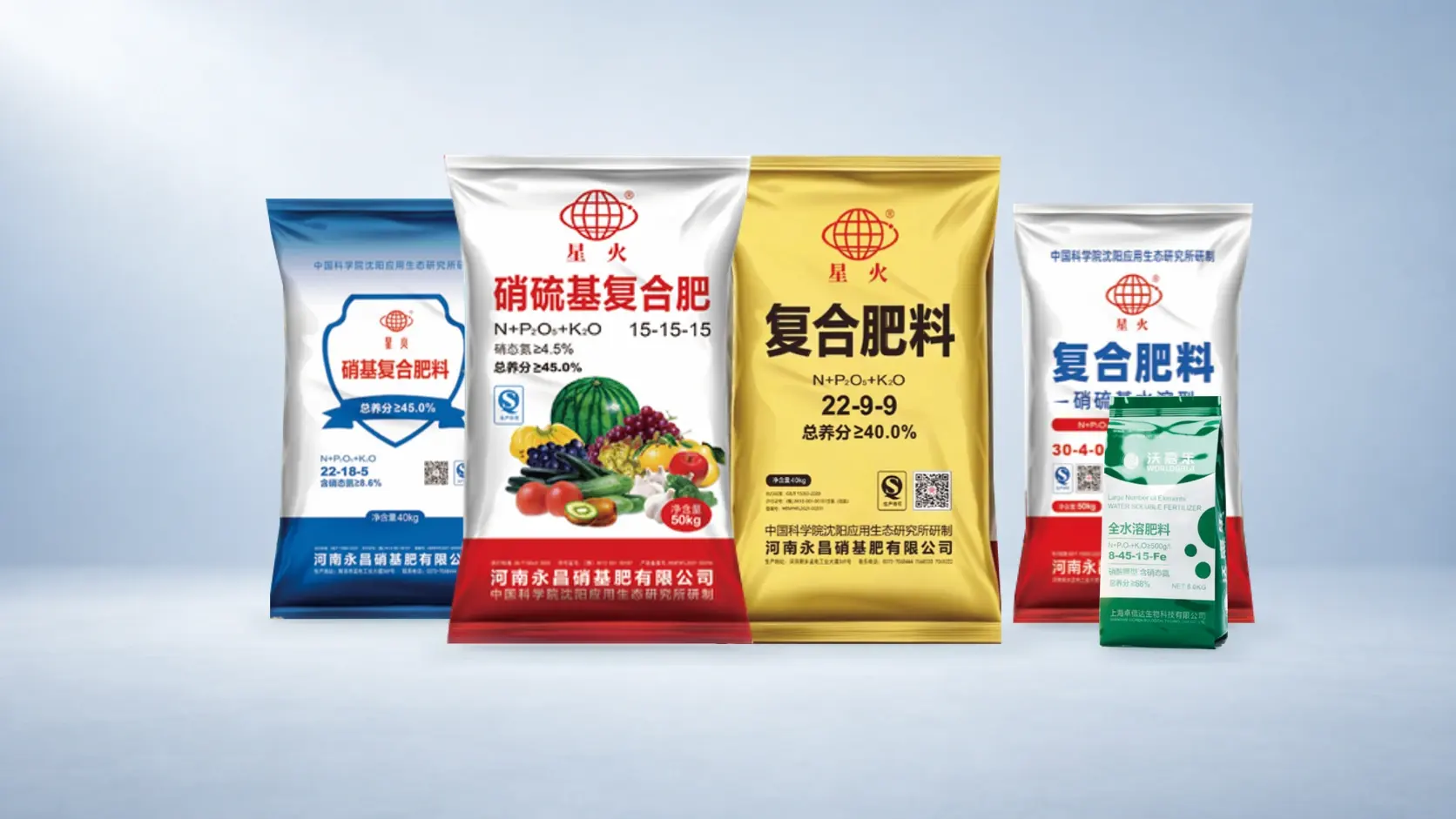
For product context, compare the report with the UAN 32 product specifications or the relevant NPK fertilizer grade.
02Separate specification limits from measured results
A specification column describes an acceptance requirement, while a result column records a measurement. Read the inequality sign as well as the number: a minimum sets a lower boundary, a maximum sets an upper boundary, and a range sets both.
The following examples demonstrate the reading method. They are invented teaching figures, not Yongchang product guarantees or batch results. In practice, compare every agreed test item and ask the issuer to explain missing results or inconsistent conclusions.
| Illustrative requirement | Illustrative result | Reading the line |
|---|---|---|
| Total nitrogen ≥32.0% | 32.4% | Above this minimum |
| An impurity ≤0.10% | 0.12% | Above this maximum; needs resolution |
| pH 6.0–8.0 at the stated dilution | 7.1 | Within this range if the method matches |
Do not replace an out-of-range number with an assumed correction. Request clarification or a corrected report from the issuer, with a clear revision trail.
03Compare the same units, basis and method
Check whether a percentage is a mass percentage and whether a nitrogen-form result is expressed as nitrogen. A nitrate concentration reported as nitrate is not the same quantity as nitrate nitrogen reported as N. Do not add or compare differently expressed values without an agreed conversion basis.
A value in mg/kg describes mass per mass; mg/L describes mass per volume. Converting between them requires the relevant density. For results already on the same mass basis, 0.01% equals 100 mg/kg. Avoid assuming a liquid fertilizer has the density of water.
Read the test-method reference and any conditions printed beside the result. For example, a pH value needs its sample preparation or dilution context, and a density value needs its reference temperature. Yongchang’s UAN 32 page lists both properties among its inspection items. Ask whether the reported method is the one specified in the purchase agreement.
Sources: [2]
04Use each document for its own purpose
A COA, a sales specification and an SDS answer different questions. The sales specification defines the agreed requirements; the COA reports analysis; the SDS communicates product hazards and safety information. OSHA’s SDS guide explains this hazard-communication role and the standard section structure.
A management-system certificate describes the certified organization and scope. It does not replace the batch analysis or prove that a particular shipment meets every numerical limit. Similarly, an independent laboratory report should be checked for sample identity and test scope before it is used to support a purchase.
| Document | Primary purchasing use |
|---|---|
| Sales specification | Agree product requirements and acceptance limits |
| Batch COA | Review the reported results for identified material |
| Current SDS | Provide hazard and safety information to relevant personnel |
| Packing and shipment records | Connect product quantities and identities to the consignment |
05Keep a short record of the review
Use one receiving checklist that links the purchase specification, report and shipment records. A short written query is more useful than a general request to confirm quality: identify the exact field, value or missing reference that needs clarification.
Resolve open points through the supplier and the person responsible for your receiving decision. Retain the final document version together with the response, so colleagues can see which information supported acceptance.
Connect the report review with the packaging and delivery checklist so the batch identity, packing records and received quantity are considered together.
- Product, grade and batch correspond to the order
- Results cover the agreed tests and use comparable units
- Methods and reported conditions are identifiable
- Missing fields, discrepancies and revisions are resolved
- The final report is retained with the shipment records
Sources & product documents
- Yongchang — Factory & quality
Product inspection items and the distinction between company systems and product testing.
- Yongchang — UAN product specifications
Current catalogue declarations and grade-specific product pages.
- OSHA — Safety Data Sheet information (opens in a new tab)
Explains the SDS format and hazard-communication purpose.