Urea-Based Compound Fertilizers
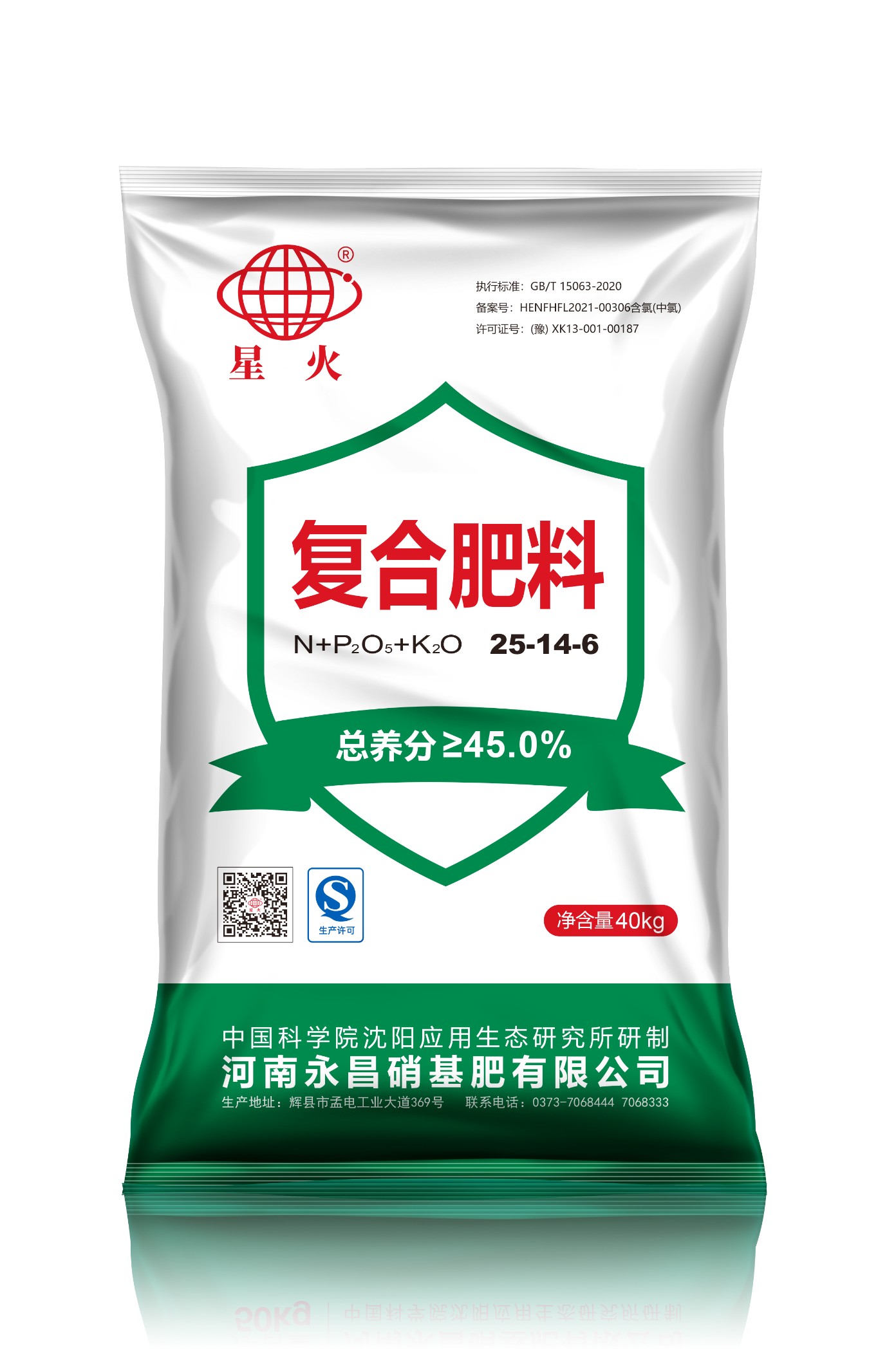
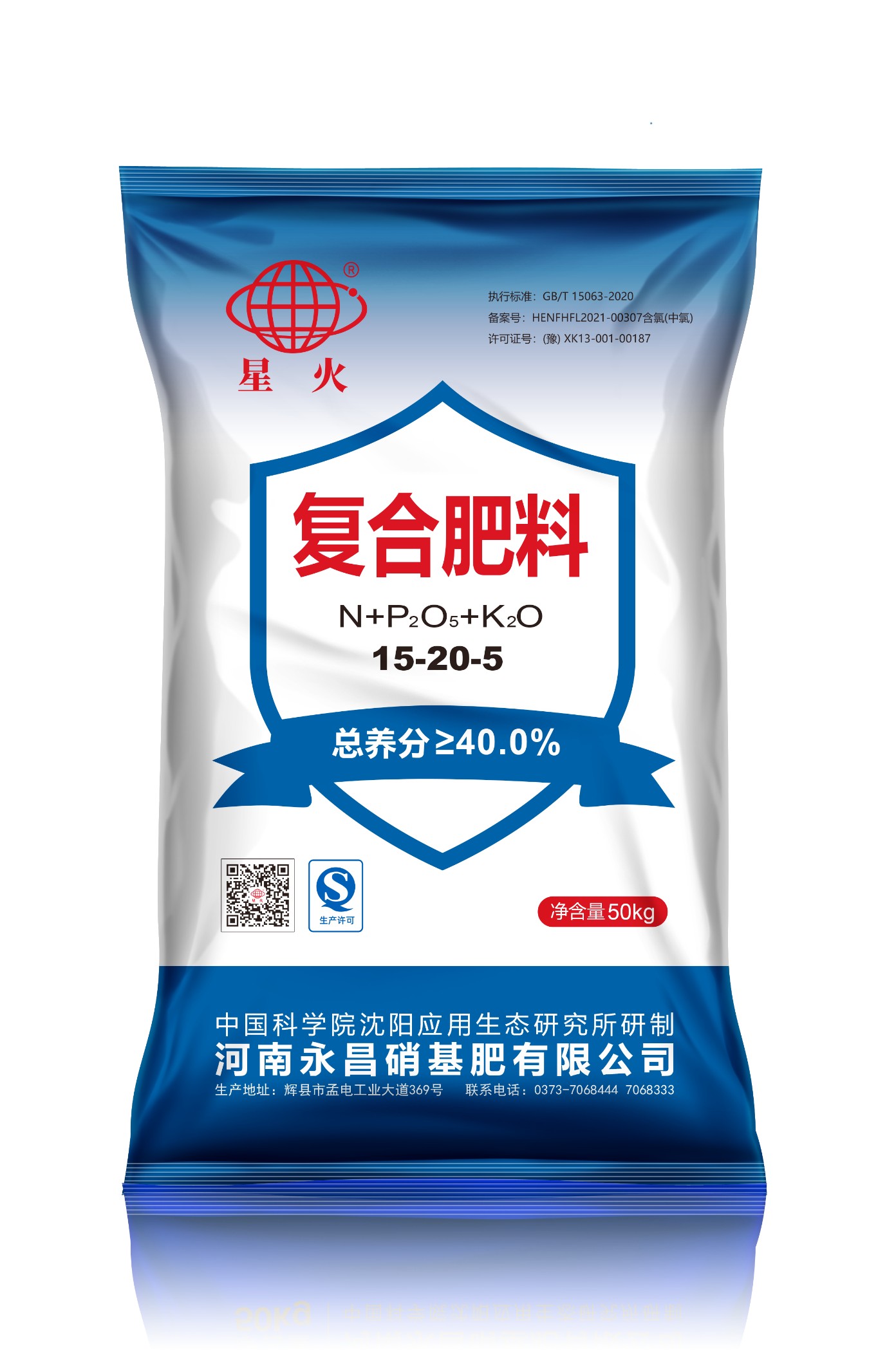
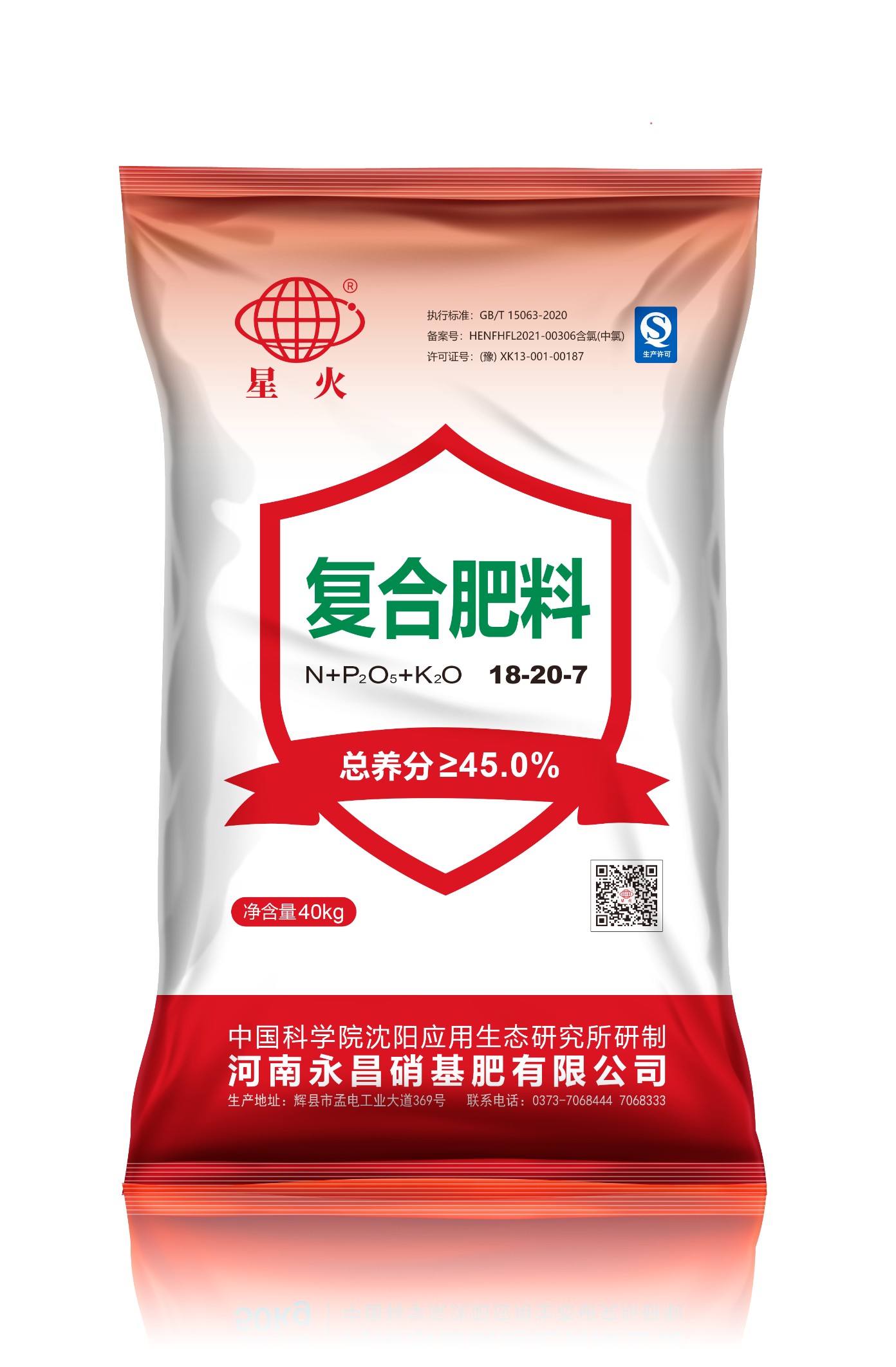
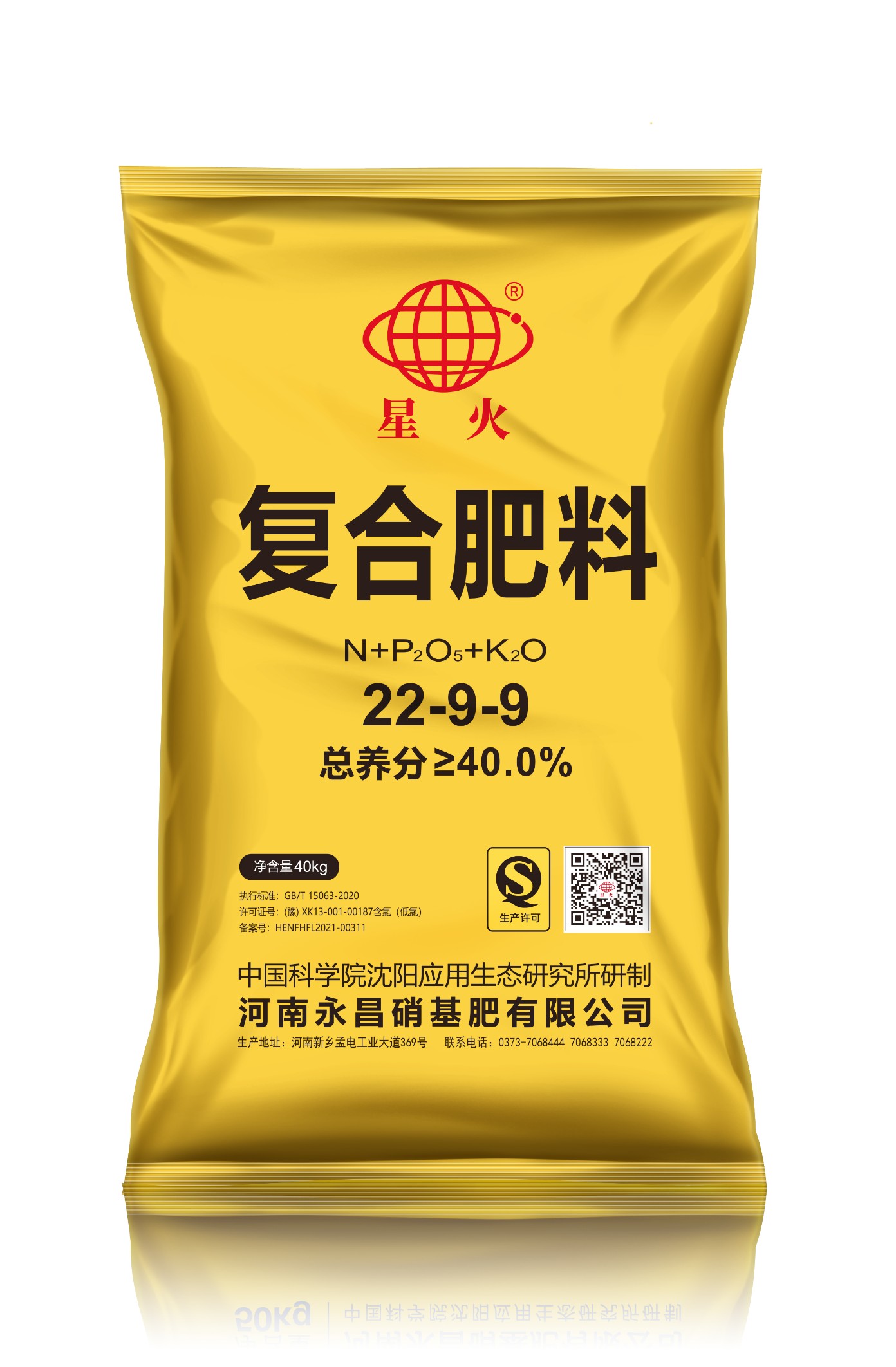
We manufacture and supply urea-based compound fertilizer granules in 25-14-6, 22-9-9, 18-20-7 and 15-20-5. Request packaging details and a quotation.
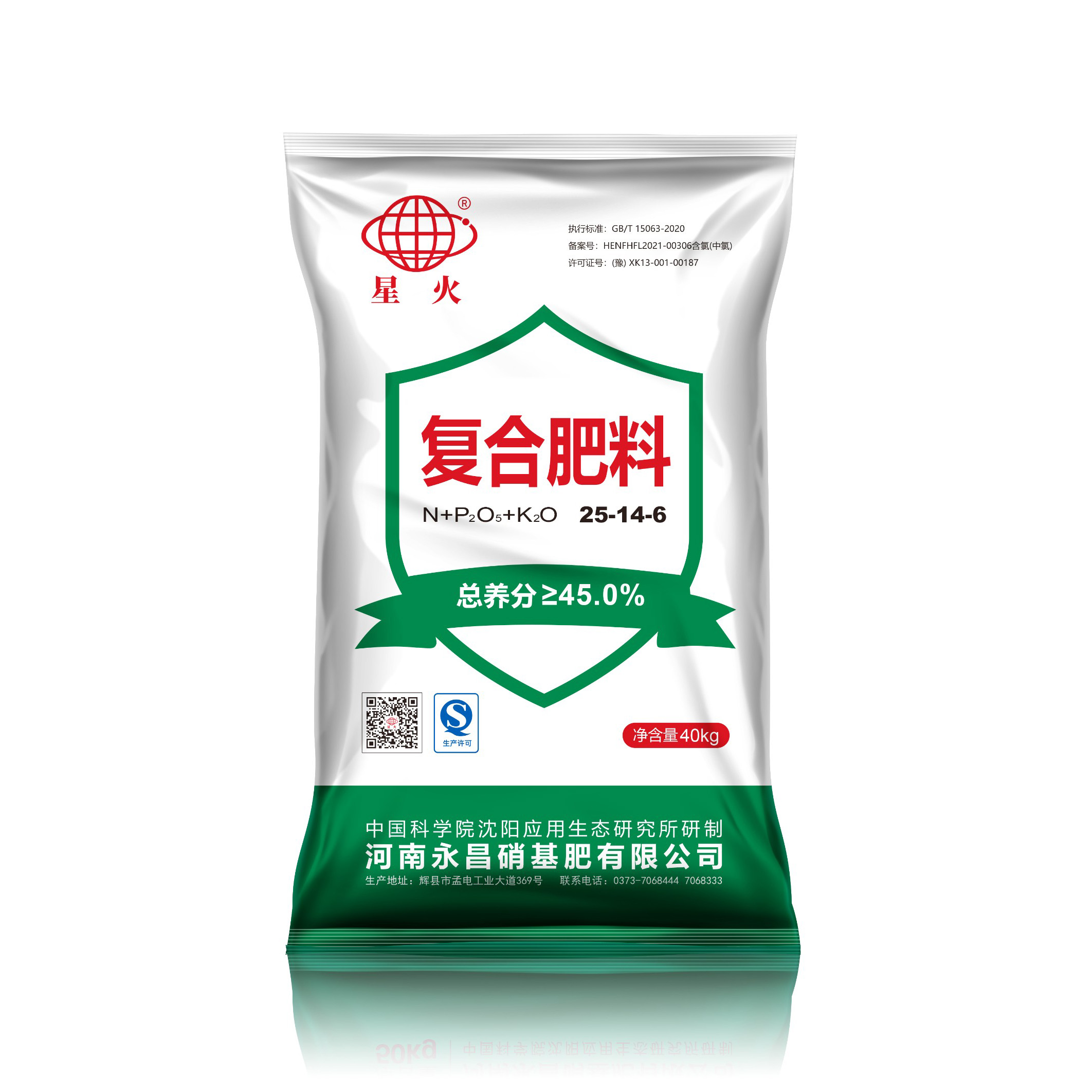
- Appearance
- White granules
- Regular formulas
- 25-14-6; 22-9-9; 18-20-7; 15-20-5
Specifications
Scroll horizontally to compare all grades.
| Formula | Total N ≥ | P2O5 O ≥ | K2O ≥ | Total Nutrients ≥ | Moisture ≤ |
|---|---|---|---|---|---|
| 25-14-6 | 25.0 | 14.0 | 6.0 | 45.2 | 0.22 |
| 22-9-9 | 22.0 | 9.0 | 9.0 | 40.15 | 0.32 |
| 18-20-7 | 18.0 | 20.0 | 7.0 | 45.12 | 0.24 |
| 15-20-5 | 15.0 | 20.0 | 5.0 | 40.2 | 0.25 |
Product details
| Product Name | Nitro-urea compound fertilizer |
|---|---|
| Appearance | White granules |
| Regular formulas | 25-14-6; 22-9-9; 18-20-7; 15-20-5 |
Product overview
Description: Urea-based fertilizers (with urea as the primary nitrogen source, containing amide nitrogen) are high-nitrogen fertilizers, typically with a nitrogen content of up to 46%. They are characterized by long-lasting efficacy and low cost. Since urea must be converted into ammonium nitrogen (NH₄⁺) or nitrate nitrogen (NO₃⁻) through soil urease activity before crops can absorb it, its applicability depends on soil moisture, temperature, and crop nitrogen demand.
Packages: 40/50kg plastic bags, jumbo bags or customized
Below are the main crops suitable for urea-based fertilizers and usage recommendations:
I. Suitable Crop Categories 1. Cereal Crops: Rice, wheat, corn, sorghum, barley, etc. 2. Economic Crops: Cotton, sugarcane, rapeseed, tobacco, etc. 3. Fruit Trees: Apple, citrus, grape, pear, etc. 4. Tuber/Root Crops: Potato, sweet potato, radish, sugar beet, etc. 5. Vegetables (Require Proper Application): Cabbage, kale, cauliflower, and other leafy vegetables with compact heads.
II. Crops Unsuitable or Requiring Caution 1. Seedlings or Root-Sensitive Crops 2. Crops in Saline-Alkali or Arid Regions 3. Chloride-Sensitive Crops Needing Controlled Nitrogen: Watermelon, strawberry (nitrogen-sensitive; excess causes fruit cracking), blueberry (prefers acidic soil). Summary: Urea-based fertilizers are suitable for nitrogen-demanding, long-growth-period crops with sufficient soil moisture (e.g., rice, wheat, cotton). However, deep application, split dosing, and soil cover are critical. For fast-growing crops, saline-alkali soils, or seedlings, use cautiously and prioritize nitrate nitrogen or sulfur-based fertilizers (e.g., Compound Fertilizers, NPK blends). Scientific management maximizes their cost-effectiveness and stable efficacy while preventing seedling burn or nitrogen loss.
Applications: This product is suitable for cereal crops (such as wheat and corn) and cash crops (including peanuts, soybeans, rapeseed, and cotton).
1. Application Methods:
- Deep Application with Soil Cover: Reduces ammonia volatilization and improves utilization (surface application can result in >30% loss).
- Combine with Irrigation: Irrigate promptly after application in drylands to promote urea hydrolysis.
- Split Dressing: Avoid single excessive doses, especially for long-growth-period crops.
2. Fertilizer Combinations:
- Mix with Organic Fertilizers: Slows urea conversion and reduces root-burning risks.
- Apply with Phosphorus and Potassium Fertilizers: Use superphosphate (avoid direct mixing) and potassium sulfate to balance nutrients.
3. Environmental Adaptations:
- Temperature: Below 10°C, urea conversion slows; apply earlier or switch to nitrate nitrogen fertilizers.
- Soil Type: Clay soils retain nutrients better; sandy soils require frequent, small applications.
Why Choose Henan Yongchang for Urea-based compound fertilizers
Production Capacity & Global Expertise Boasting an annual output of 300,000 metric tons with guaranteed on-time delivery, supported by mature export infrastructure ensuring frictionless cross-border logistics.
Production Process Advantages Utilizing drum melting granulation technology, this method ensures uniform granules with extremely low moisture content and controlled biuret levels (typically <1.5%), enhancing product stability and safety.
Cost Efficiency Urea serves as the primary nitrogen source, offering a price advantage over nitrate-based fertilizers while maintaining high cost-effectiveness.
Customization Capabilities Flexible customization options are available to meet client-specific formulations, tailored to diverse crop and soil requirements.
Packaging Display